
Written explanations
Read structured lessons and return to the exact part you need.
AI automation · PDF learning guides
Explore digital PDF courses by Trionyxio with structured lessons, workflow maps, instruction templates, review checklists, and practice tasks for organized AI automation study.

Who we are
Trionyxio makes AI automation easier to study through structure, calm explanations and practical written material. The guides separate tasks, instructions, information and review so each topic has its own place. You can read a section, test a small example and return to it when working on a similar task. Each resource explains its scope so you can choose a starting point that fits your experience.
About TrionyxioSelected collection
Explore four resources from the complete eight-guide learning line.
Our mission
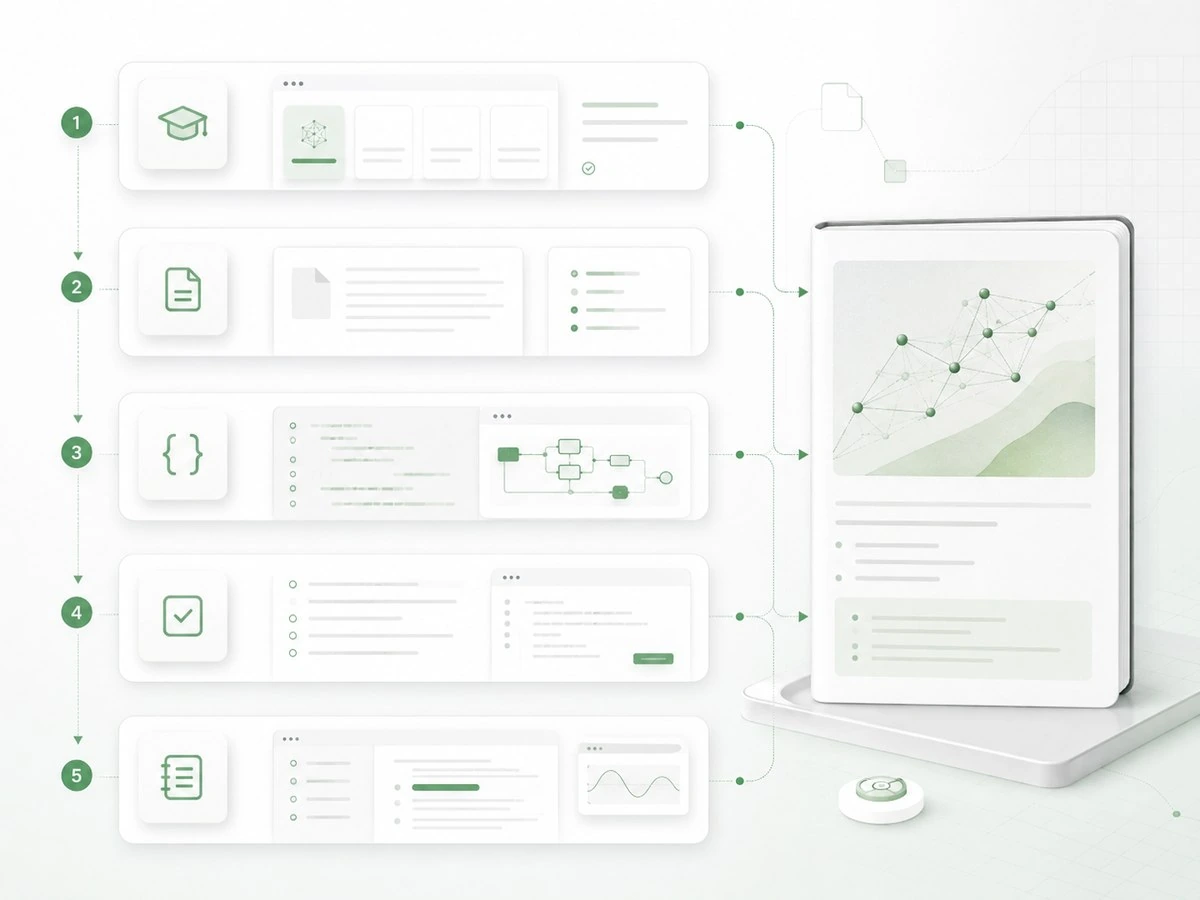
Our mission is to make AI automation more readable through practical schemes, templates and review habits. We begin with the task and its context before introducing a wider workflow. Small examples make it easier to inspect what an instruction asks and what its response leaves unresolved. The aim is a deliberate way to study, practice and refine your work at your own pace.
Why this format
Read structured lessons and return to the exact part you need.

Test an idea in context before moving to a larger workflow.

Use process maps and templates to connect the steps.

Keep downloaded PDF material beside your working notes.

A little space to learn
You do not need to build a complete automation on your first day. Start with one task you already understand, read the relevant explanation and write down what the result should look like.
Keep the PDF beside your own notes. Try the example, check what is missing and return to the same section when you need a reminder.
Explore the curriculumA small practice example
An example of the task, input and review approach introduced in Free Kit.
Instead of “organize my work,” ask for five project notes to be grouped by topic. Name the input and the intended result.
Request a table with three columns: topic, original note and next question. Tell the tool to leave unknown details marked as unknown.
Check that every note is included, no facts were invented and the questions are relevant. Revise the instruction if something is missing.
Choose by the task
You do not need the entire collection to begin. Choose the scope that matches what you want to practise.
Free Kit introduces task logic, input, context and the first review checklist.
Start with Free KitSlate Guide focuses on goals, output formats, boundaries and instruction review.
Explore Slate GuideCompare the remaining guides by their modules and prerequisites before choosing a wider workflow topic.
Compare the collection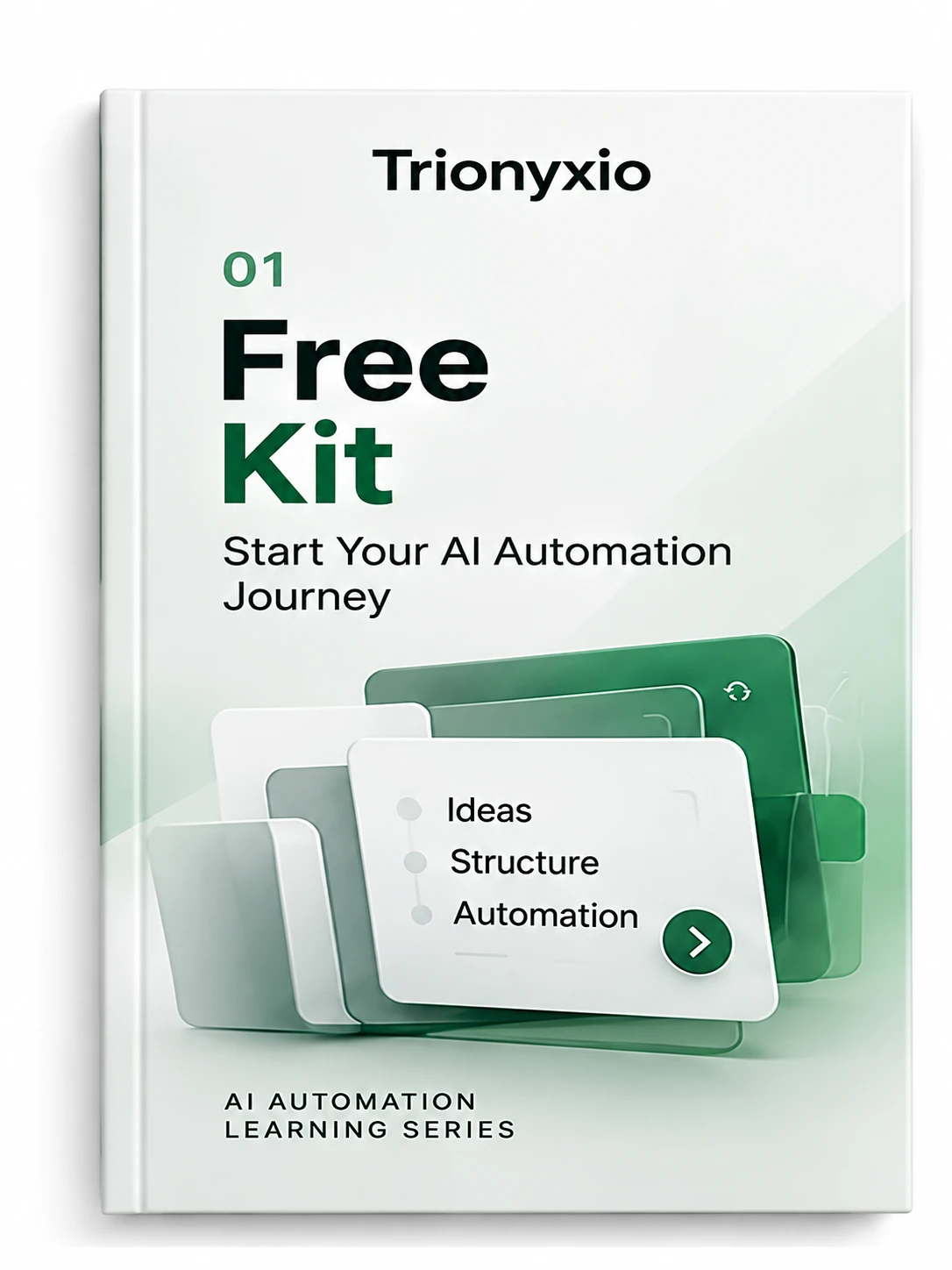
Get Free Guide
Free Kit introduces task logic, input, context, instructions and first review notes. Read the scope, then download the included PDF from its product page.
Explore Free KitFAQ
The collection consists of PDF-based learning materials with written explanations, examples, practice tasks and review notes. Each product page lists its own modules and scope.
The listed format is PDF. A compatible PDF reader is sufficient; no video library or separate mobile app is included.
Free Kit starts with basic task logic. Later guides assume familiarity with earlier concepts; check the prerequisites on the product page.
Yes. Once a PDF is downloaded, you can read it offline on a compatible device, subject to the permitted-use terms.
Eligible requests may be submitted within 30 days, subject to the full Refund Policy. Downloads or use can affect eligibility, and applicable mandatory rights remain unaffected.